We are Surefix
Every developer, contractor, Building inspector and installer knows the truth: the traditional rise & fall gutter bracket is slow, inconsistent and fundamentally outdated.
It’s a century-old system forced to survive in a modern construction environment, and the cracks show, literally and figuratively.
Hammered stakes crack brickwork. Traditional impact-driven stake methods, whether hammered in later or left exposed during early build stages, leave hazards for follow-on trades. Misaligned brackets force installers to resort to messy workarounds. And resin fixes? They drain money and time while offering no guarantee of long-term stability.
Everyone on site knows the system is flawed, yet the industry has no alternative… Until Surefix.
Designed by Tradesman!
It was created because real contractors were tired of the same recurring problems. Faster installation wasn’t enough. The industry needed a bracket that protected masonry, improved safety, aligned perfectly, adapted to modern construction methods and worked seamlessly whether installed during bricklaying or post-brickwork.
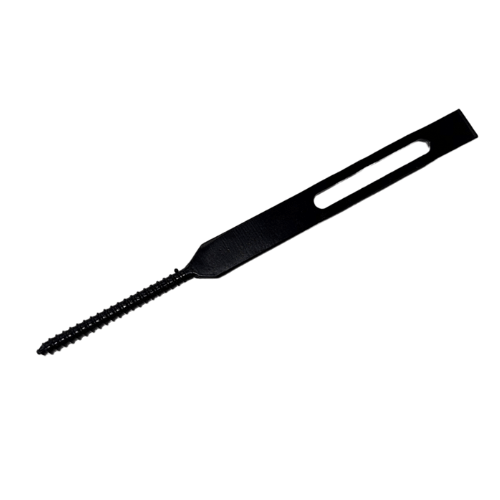
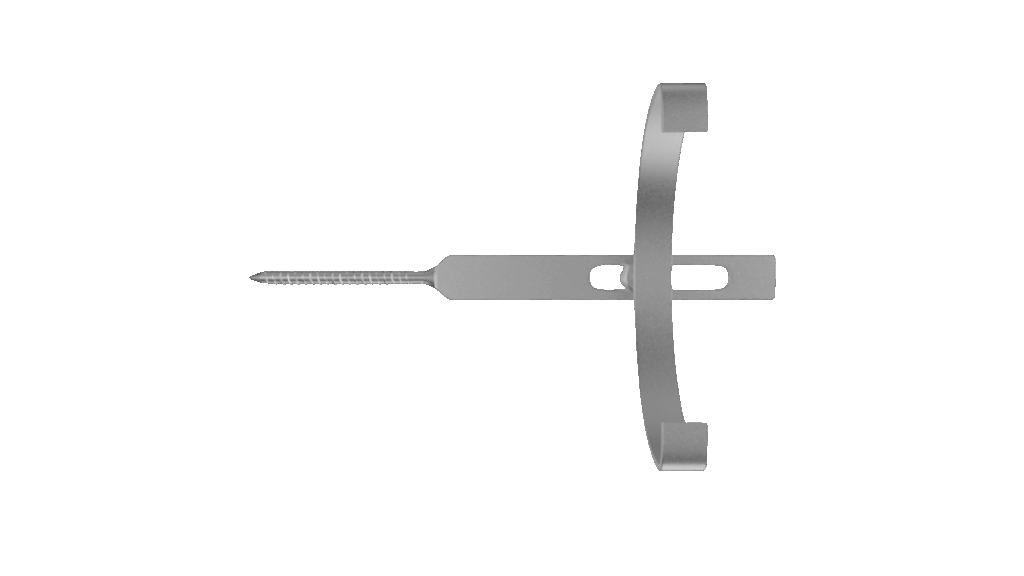
So Surefix reimagined the entire system from the ground up, a complete redesign of a component the industry had simply accepted for too long. The result is the UK and EU-patented Surefix Rise & Fall Gutter Bracket, engineered to outperform every traditional bracket in speed, strength and safety.

Legacy brackets punish installers with a slow, awkward installation sequence. Impact-driven fixing, whether forced into finished masonry or worked around during construction, is rarely efficient and often inaccurate.
Time-and-motion testing confirmed what installers already knew. Old bracket: Over 2 hours to install per 4-bed plot. Surefix bracket: Installed in just 45 minutes
Strength matters, especially when brackets are expected to stay secure for decades under load, weather and repeated maintenance cycles.
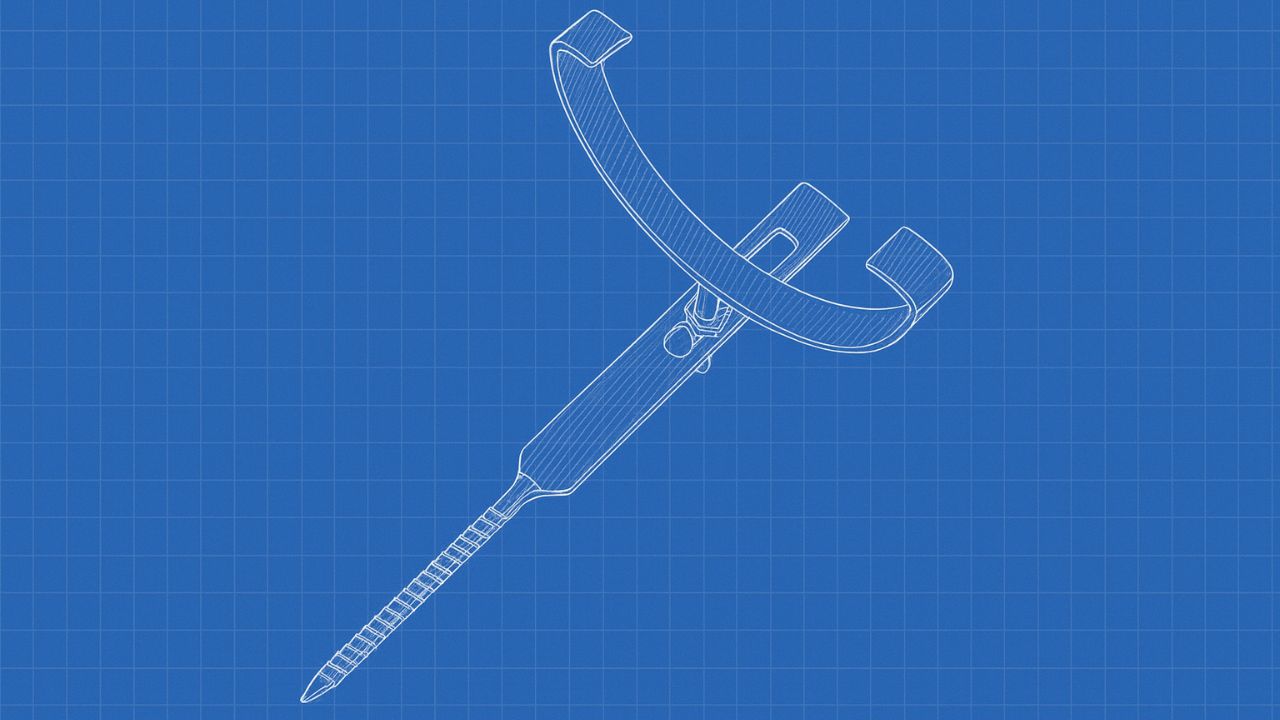
While legacy stakes rely on friction and luck, the Surefix bracket achieves secure fixing through engineered mechanical anchoring, either integrated into the wall during bricklaying or mechanically fixed post-brickwork, depending on the bracket selected.
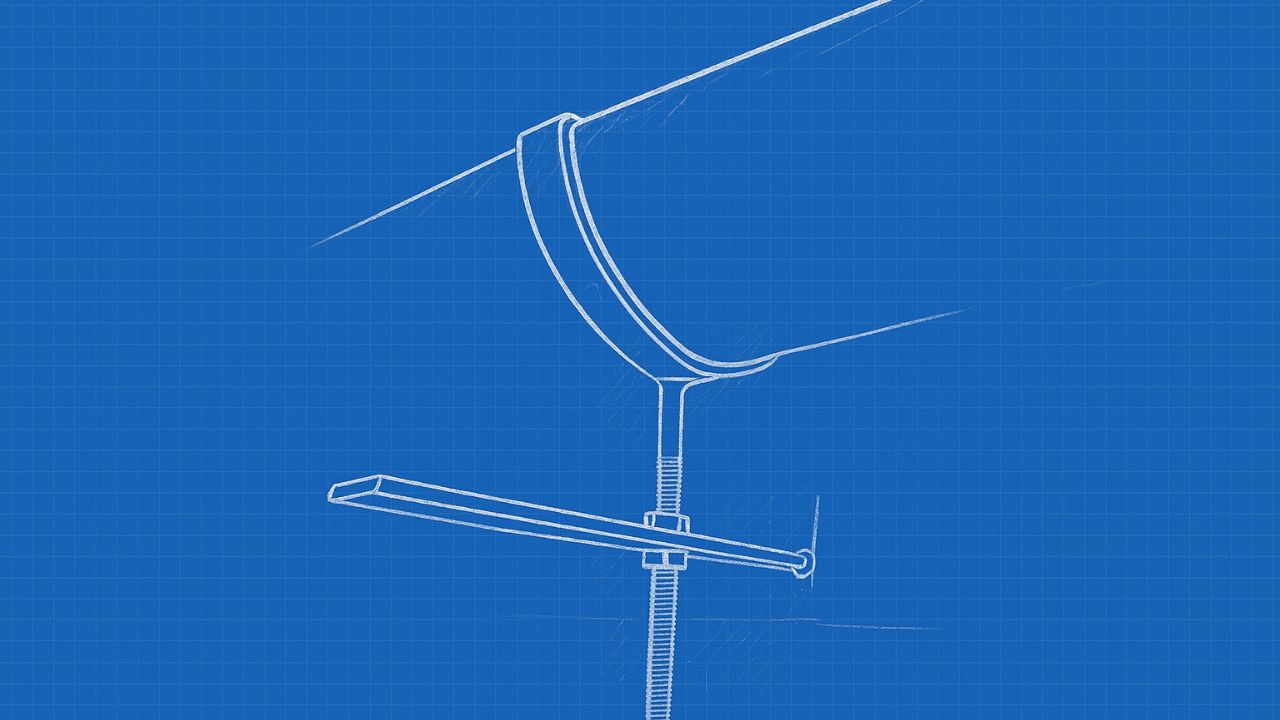
Traditional stake-style brackets introduce risk through impact-driven, uncontrolled fixing. Surefix removes that risk by design, whether the bracket is built into the masonry as part of the wall construction or installed later using a controlled mechanical fixing method.
Hammering stakes into masonry bends metal, damages mortar and creates unstable fixings that put follow-on trades at risk. Surefix replaces that with controlled mechanical installation.
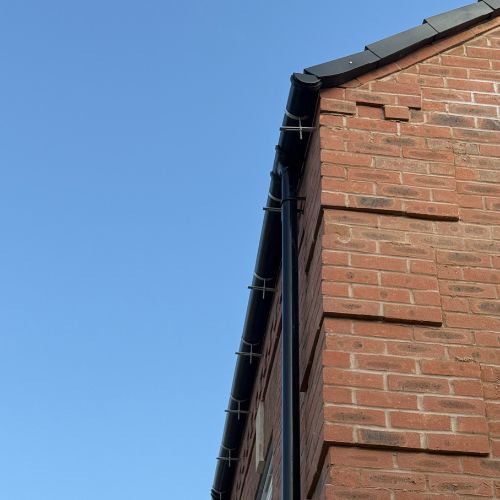
The Surefix system turns a once awkward installation into a controlled, repeatable workflow, allowing precise fixing and adjustment without hammering, damage or rework. It gives installers a system that works with them, not against them, cutting labour time across every plot and delivering cleaner, faster handovers on every development.
Independent testing by Vision Midlands Ltd proved what installers already felt on site. Surefix outperforms legacy brackets in every meaningful measure, with exceptional pull-out resistance, superior downward load performance, over 87 per cent recovery under stress and full compliance with BS 8539:2012. By removing impact-driven fixing and exposed metal stakes, Surefix reduces site hazards whether installed during bricklaying or post-brickwork. Where traditional stakes twist and loosen, Surefix stays solid, built once, fixed for life.
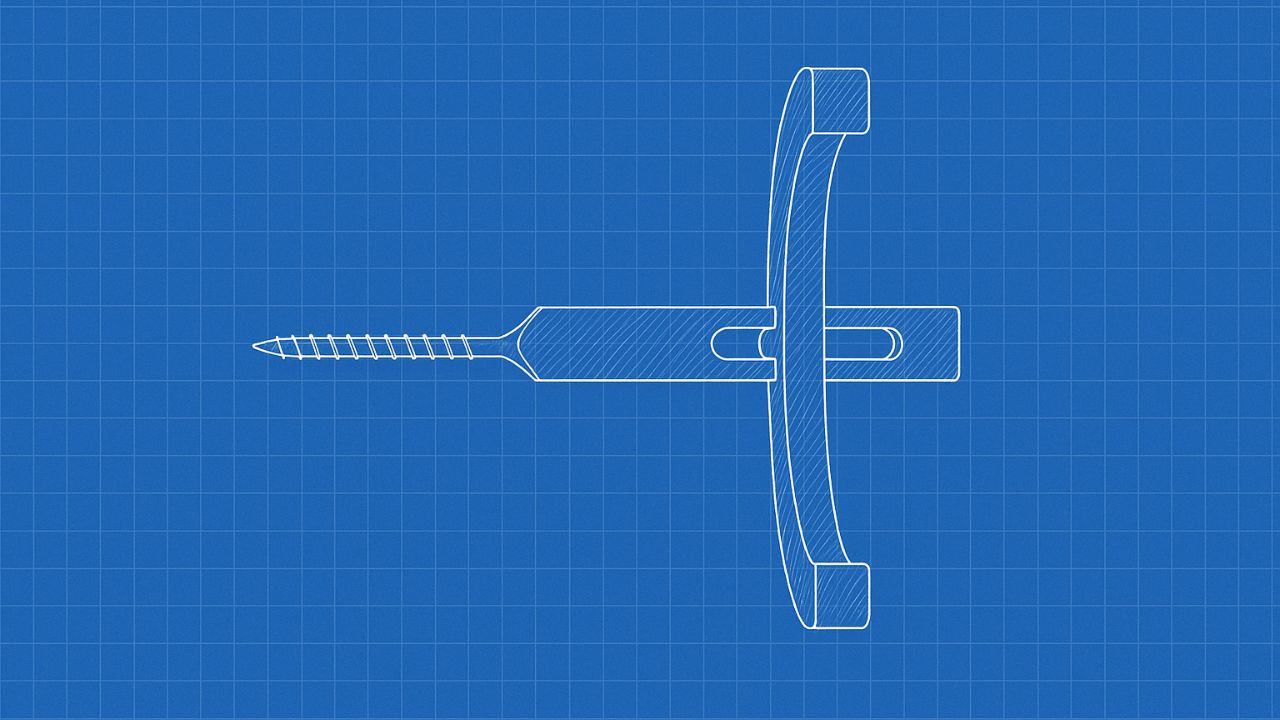
The Surefix bracket features a 70mm elongated adjustment slot designed to give installers total control over gutter positioning, without disturbing the cavity or compromising the masonry. Traditional brackets force alignment by pushing or pulling the stake deeper into the brickwork cavity, a method that leads to:
Surefix resolves all those issues. Alignment becomes a matter of sliding and tightening rather than wrestling with brickwork.
Brick cracking is one of the biggest hidden costs in traditional installations. Hammering into an already-laid wall fractures the mortar joint, leaving visible damage and, more critically, hidden failures that frost and moisture can attack later.
The Surefix system avoids all of this. Whether installed during bricklaying using the built-in bracket or fitted post-brickwork using the drill–plug–wind method, the masonry remains intact and uncompromised.
Traditional stake-style brackets simply cannot work with modular construction. Surefix can. Our adaptable mechanical fixing design supports both built-in installation during construction and drill–plug–screw fixing post-brickwork, making it compatible with:
Developers designing the next generation of housing no longer need to compromise on guttering solutions. Surefix is a future-ready bracket for a rapidly changing industry.
The problems with legacy brackets:
The Surefix advantage:
Surefix isn’t just a replacement. It’s a re-engineering.
Construction is evolving. Materials are evolving. Surefix is the bracket built to meet that future and lead it.
If you’re designing, building or maintaining homes that should last for decades, choosing Surefix isn’t an upgrade. It’s the standard the industry should have had all along — whether built in at construction stage or installed later with the same engineered precision.
Yes. Unlike traditional hammered stakes, which distort masonry and become permanently wedged, the Surefix bracket can be removed cleanly at any time. This makes ongoing maintenance simple, whether you need access for painting, rendering, gutter repairs, cup replacement or adjusting the fall. It’s a system designed to support long-term asset management rather than fight it.
Yes. Surefix has been adopted by developers, architects and planners across the UK and Europe. With full UK and EU patents granted and stocked through major merchants like Travis Perkins, the system is rapidly becoming the modern standard for rise & fall brackets. It’s not experimental technology; it’s already proven on live sites.
Fill out the form below, and we will be in touch shortly to run though your order. No card details will be asked for via this form.